Showing posts with label Beef. Show all posts

Apr 1, 2010

What's it like to "grocery shop" at a 4-H auction?

The Fallon 4-H kids will be auctioning off the animals they've raised soon, so it's a good time to buy beef, pork, or goat meat. Our family cowpools so I know about buying and storing in bulk, but our farmer takes care of everything for us; we just take delivery of the boxes and put the meat in the freezer. So I need to know: How does the animal get from auction yard to the freezer? How would a buyer know if the meat is pasture or grain fed, organic or conventionally raised? Who does the driving?

First thing, talk to the farmer, or in this case, the 4-H'er. They'll be able to tell you all about their animal and will be available all day Friday and Saturday up until auction time. When you find one raised according to your values, for example, grass versus grain fed, conventional or organic, bid on it. Next question...

Dec 1, 2009

'Tis the season for grass-fed beef raised by a Nevada family...Cowpool, anyone?


Now is the time to fill your family's freezer with local, grass-fed beef. My friends and I are experience cowpoolers so if you need some tips to start your own just contact me. I'll help in any way I can.

From my mailbox to you:

Dec 16, 2008

Cowpool 2009 (order grass-finished beef in bulk)

Tis the season to cowpool! If you haven’t tried eating local grass-finished beef, I personally know about ten families who highly recommend it.

We get our beef from the Smith family. They have twelve beefs ready to go right now, and we expect to pay about $7.00 a pound for ours. There are a few other grass-fed ranchers in the area who might also appreciate more cowpooling activity. If you know one, get your own group together and work with that rancher. The more the merrier.

If you want to join us this year, or learn more before committing, contact me by Monday December 29th. Use the contact button located in the right sidebar.

Or even better, if you enjoy organizing/sharing and want to start your own cowpool contact me – I’m happy to share what we’ve learned and how we work ours, and I’ll even share my very simple tracking/administrative forms. Again, use the contact button located in the right sidebar to contact me.

This will be our third year cowpooling and it has been a great experience. For those of you who haven’t tried it yet here’s a quick rundown on the joys and challenges.


• Great tasting, grass-finished beef – according to our cowpoolers their dinner guests can’t believe how tasty it is and our experience is the same

• Cowpooling , purchasing through CSAs (Community Supported Agriculture) and in bulk from producers like Sod Busters (chicken) insulates family food costs from petroleum price swings – approximately 70% of our 2008 food budget was shielded from price increases associated with petroleum

• The Smith’s grass-finished beef is free of unnecessary hormones and antibiotics, and the cows live happy cow lives

• Cowpooling supports a local farm that provides local jobs

• Buying locally and in bulk means your family can have month’s worth of food on hand

• Cowpoolers and farm families know each other and are interdependent on their local communities

• Cowpoolers learn to cook all the cuts that come from an entire beef-- really delicious cuts that get no love at the supermarket

• Learning to prepare cuts you’ve never cooked with can be scary, but you can learn and it's very rewarding – every one is happy to share what they’ve learned

• Cowpooling can require financial planning because your family pays for an entire year’s worth in one payment (okay two, nominal deposit then full amount just prior to delivery) – our families buy an average of 10 – 40 pounds each, costing something like $70 to $280 for the entire year.

Hope to hear from you, one way or another!

Aug 9, 2008

Nevada locavore shopping

Again, I’ve broken one of the cardinal rules of blogging. I’ve allowed time to pass without posting anything. But my reason is a good one; I’ve hit a local-food ceiling.

I started this blog for people who wanted to eat locally to whatever extent works for their family. The point was to compile convenient local food resources that fit into busy lives with some minor changes in the way we acquire our food. According to reader comments the blog has done that. So, since I don't have a lead on a new resource just yet, thought I'd show you how this Nevada locavore's food shopping routine goes.

After two years of learning to be locavore in Nevada I’m comfortable with how my shopping method has evolved to take full advantage of the local food that is available in our area. We get our local food from the places every Reno/Sparks resident has access to. When it comes to the ultimate local food, that is whatever people grow themselves, we are perhaps less lucky than others because we live in a neighborhood with pretty strict home owners association rules. Still, local food is always in the house.


Here’s how my shopping thought process and strategy goes.

First--the ultimate local food. Each year we plant a vegetable garden. Last year we removed our backyard lawn and replaced it with a food garden and wildlife habitat. Next year we’ll plant the food forest, which hopefully will produce that hard to-get-fruit and improve the wildlife space. And bonus, we spend many hours in the backyard experiencing the peace of working in the garden, eating our own food with friends and family, drinking wine in our pajamas and watching the wildlife that now lives in our backyard.

Every year we subscribe to a CSA. This gives us a steady flow of fresh, tasty vegetables much of the year and is the most stable form of support for local farmers. We often share it with friends.

Each year we buy local beef and chicken in bulk, and a Thanksgiving turkey directly from the farm; this year the turkey will come from Nevada. On the rare occasion we buy pork, we go to Butcher Boy’s because it's a local business and closer to our house.

During the farmers market season our first stop is always a Nevada Certified Farmers Market Association (NCFMA) market because the produce comes from Nevada farms and some California farms that are located within my defined region, about 150 miles. If what I need or want is available from a Nevada grower, I always buy Nevada first.

Next, all other farmer’s markets for fruit and other veggies.

During the season we preserve our favorite foods for off-season eating. I keep in contact with local farmers (see the list at Nevada Grown or ask while you're at a NCFMA market) and buy in bulk when harvesting is at its peak. Then we get a couple of our friends together for a day of eating, talking, and canning.

The bread we eat comes from the Truckee Sourdough Company (conveniently available at just about every place that sells food), is baked at home, or occasionally, purchased from a locally owned bread shop.

Great Basin Coop next if I can get there. My workday conflicts with the store schedule but I do my best to get there because it’s a great way to get some Nevada grown veggies in a market environment, even during cooler weather.

And finally, everything else we get at the supermarket. Whole Foods at this point because they support local farmers, have a large organic selection, and the Nevada farmer’s market is conveniently located in their parking lot. It’s hell-and-gone from my house so we arrange our errands so that the drive makes more sense.

Here’s my local-food wish list:

Good local cheese; organic would be nice but not necessary. I’ll never willingly give up cheese so until there’s a local option I’ll continue to spend far too much money in the Whole Foods cheese department buying California cheese, my nod to local food support.

Local, organic, direct-from-the-farm raw milk, butter, and cream.

Herbs. It’s just plain hard to find these in quantity anyplace but big box supermarkets. I can grow the easy stuff, like basil and sage, in my backyard, but have zero success with herbs like cilantro, rosemary, thyme, and dill. I would be very happy and financially supportive if someone would grow and sell herbs that I could dry and save in amounts that will get me through the winter and use in my favorite pickle recipe. On the upside, Nanadew Farms is now selling potted herbs at the NCFMA markets so at least I can get some starts there.

Bread and bakery goods made with locally grown wheat.

Eggs that are consistently available. I have no idea how this would happen because, duh, chickens don’t lay eggs all the time; they’re on a natural cycle. Who knew!? In the meantime, I've learned to buy eggs from the CSA and the Co-op, and eagerly accept the eggs my few chicken-raising friends offer. If you have a neighbor who has or wants chickens in their backyard, rejoice, because they often have more eggs than they can eat and many are generous with the bounty. And be supportive...backyard chickens and eggs can be a wonderful experience!

And lastly, more Nevada farmers. The farmers I’ve met are wonderful, generous hardworking, passionate people who grow fabulous food; there just aren’t enough of them. As a native Nevadan I often wish Nevada were in middle of the number-of-farmers-per-state list rather than at the bottom, especially since there is good farm land in Nevada. Perhaps with local demand will come support and training programs that will draw potential future farmers.

My two cents worth!

Apr 15, 2008

Recipes for your Nevada-grown local beef - pt. 2

My mom emailed me yesterday about the grillades recipe linked from the last email. Essentially she questioned using veal in a beef recipe sent out to people who are intentionally buying beef outside the conventional system so they can get, among other good things, humanely raised beef. Good point! I should have mentioned that we substituted more beef for the veal. I’ll make a note of that in the recipe. Thanks mom!

Apr 13, 2008

Recipes for your Nevada-grown local beef

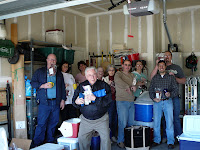
We held our second annual grass-finished-beef distribution get together last week. Ten families went in on the purchase of a whole beef and met at our house to divide it up and mingle a bit.

The beef comes in various cuts, as you would expect when purchasing the entire animal. Last year we learned that we’d wanted less ground beef and more stew meat, fajita meat, etc. in the 2008 order, so asked for some modifications from the butcher. We got what we asked for and now embark on another year of learning. Here’s some information I hope will help those who are just starting to cook with all types of beef cuts.


Over the last year we’ve met an increasing group of people who want to know where their food comes from and how it is produced. As the local food community continues to expand, access and convenience are increasing so more families are including local food in their routine and learning about food in a whole new way.

This brings me to my real point. When we started eating locally we’d reach in the freezer and pull out a beef-cut we’d never cooked before. Naturally this sent us searching for recipes and techniques. We’ve saved the recipes we liked and want to put them here for others to try.

Pot au Feu for cross shanks, knuckle bones, etc. (Intense recipe but oh-so-worth-it)

Marinated flank steak with horseradish sauce – flank steak or tri-tip

Meatball sliders – these are heavenly! The recipe calls for ground beef, and also ground pork and veal (try UNR Meats for these). Make the rolls yourself or call House of Bread and ask them to make you an order of slider rolls. We make a double batch and freeze the leftovers into meal sized portions.

Hunter-style grillades
– for round (or any other large cut suited for braising) and veal. Again, this recipe calls for a second kind of meat so may require a bit more than “reach into the freezer” but the meal is seriously yummy!

Happy eating!

Feb 13, 2008

Wolf Pack Meats

UNR sells meat! Who knew!? Diversity is the key to a sustainable local food system so anyone who produces locally raised food should get some attention, right? But universities engage in research and that makes me nervous when it comes to my dinner, so last week I called Mike Holcomb of Wolf Pack Meats to ask him about my concerns and some of my hopes.

Wolf Pack Meats website will answer many questions so I’ll blog only about those of particular interest to me and my friends and family.

Who makes the processed meats, for example, sausage? UNR livestock is used to produce things like sausage, ham and smoked bacon on-site. Mike is very involved in this area of production. Wolf Pack Meats also sells smoked turkeys. The turkeys are not local, but the smoking is.

Does Wolf Pack Meats sell any milk produced at the facility? No, and Mike does not personally know of anyone in Nevada who sells dairy. That’s scary! No Nevada cheese for us.

Does the livestock receive hormones or antibiotics? Wolf Pack Meats does not administer additional hormones or antibiotics.

Is the beef grass-fed or grass-finished? It is grass-finished.

What kind of research are these animals involved in? The animals sold for human consumption are used for agricultural research and education only. UNR agricultural staff and students engage in research activities that affect animal growth. They experiment with the everyday living conditions of the animals, for example, beef is fed a certain type of grass for a certain amount of time, and then they observe the results. According to Mike, no products sold through Wolf Pack have been involved in anything like GMO or science-lab-type research. Whew!

In my view, this type of agricultural program is very valuable to those of us who live in the Truckee Meadows and Northern Nevada. Why? Because if Nevada is going to continue to develop and sustain a strong local food system we need more future farmers and ranchers, and UNR educates future farmers. Mike tells me that during the summer there are about 20-25 young people at the facility, learning about food production. These students could play a significant part in Nevada’s food future.

Jan 26, 2008

A fantastic recipe for round steak!

Yes! It’s January and we’re still eating local meat and veggies. True, we are supplementing with supermarket veggies and staples, but not much. And bonus…it’s been especially nice to make fewer trips to the store in this bone-chilling weather. With meat and veggies in the freezer and root veggies in the garage we were able to stay inside and eat hot food.

We’re down to the last of the 2007 grass-finished beef (2008 is in process) so last week when it was time to think about putting together a dinner plan I opened the freezer only to find that my best option was a cut I’d been avoiding. The label said Swiss Steak, which I know zero about so naturally I was intimidated. After a little research I determined that it was probably actually round steak. And then I found this recipe…Hunter-Style Grillades. This made one of the best meals we’ve had all winter. We made it for a family-and-friends dinner, over boiled potatoes that night and then over rice for lunch a couple of days later. The ingredient list is long but most are staples. What we didn’t have we substituted with something else. Enjoy!

Nov 13, 2007

LFNN madness - fixed

Whew! I spent yesterday verifying all the links and spellchecking (again!) the entries so the blog content should be in working and professional order. The bad news is....

The Home Grown Nevada web address problem doesn't have an easy fix. Tina knows about it now but it might take a while to recreate Home Grown Nevada's internet presence. In the meantime, please call 775-465-2549 or email jsbeef@earthlink.net to learn more about the Smith's grass-finished beef.

Nov 12, 2007

LFNN blog entrys and links gone mad

While doing a bit of blog maintenance I found that some of the entries and links have gone wonky. Some entries are displaying with spelling errors, in spite of being spell checked before publishing, and it looks like the Home Grown Nevada address, which used to take us to grass-finished beef raised by the Smith's, has been commandeered by a web address squatter. Also, my Google document links are no longer intact so readers may have been experiencing problems. It looks like activity on Google's end changed all the document addresses. I'll get everything fixed as soon as I can. Nothing worse than reading something filled with typos; I’m MORTIFIED! Sorry about that!

Aug 27, 2007

CSA - the veggies are coming in now!

All along we've been warned that CSAs start off slow in June, with lettuces and the few other Spring-friendly vegetables, then explode in abundance around August. They weren't kidding. I'll keep this entry short because we have veggies to eat. Here are a few of the dishes we'll be making with the produce we received in the last CSA and the beef we purchased from Home Grown Nevada.

Eggplant sandwiches from the Too Many Chefs blog; warm zucchini salad, again from Too Many Chefs; Warm beef salad; Melon gelato from Chez Panisse Fruit.

Jul 17, 2007

Home Grown Nevada - Grass finished beef and our first venture into local food


The other day I was sitting here, wondering what great northern Nevada food thing I could write about next. Now that I might be called a "blogger" I was feeling the pressure to write about some newly discovered source. I've been really busy with other things (weddings, Artown, eating) and haven't had time to personally pursue and vouch for new (to me) local food leads. And then it occurred to me that I hadn't written a thing about our first foray into eating locally...grass-finished beef.

Last year, in reaction to what Mark and I had recently learned about how mass food production really happens, we went looking for a better way to buy our food. It was winter 2006 so we knew veggies were out of the question so we turned to the Internet to research other alternatives. We found Tina and Jim Smith of Home Grown Nevada. Though I was pretty proud of myself for "thinking" of buying beef locally they had already had a client base, a delivery system, and a website. Many of my friends, with and without children, are concerned about the way beef is produced on CAFOs (Concentrated Animal Feed Operations). So when it was time to find families interested in trying grass-finished beef many were ready to sign on. So many, in fact, that we purchased an entire beef the first time out. Buying locally has changed the way we think about eating all meat and how I cook it.

When I was little we often ate cuts other than New York, Tri-tip, and Filet Mignon, but as I started cooking for myself and fell in love with the Bon Appetit style of cooking, I was drawn away from the cuts that were actually tastier but required longer cooking times, or cooking methods that were more complex than simply "start up the coals". As it turns out my family used to eat grass-finished beef all the time. Though it was no longer available in the supermarket, our rancher/farmer uncles kept our family supplied, so going back to GF beef held for me the unexpected pleasure of a lost family connection. GF beef does taste and look a bit different than corn-fed/finished beef and some of us were concerned we might not think it tasted like beef. Just one taste and we set those fears aside: it had the beefy taste and satisfying mouth feel we all love, and another quality that can only be attained when cattle are raised eating their natural diet, grass. For lack of a better description, terroir, the flavor imparted to food as a result of the regional environment.

It's been a few months since our first purchase and we are still excited about purchasing beef locally. We've eaten everything from hamburgers to filets and it's all been delicious. In September all the families will gather together to share a meal and an afternoon while we cook up the two Tri-tips (one on the grill, the other in the oven for hours at 200 degrees). We'll talk, share, laugh, and enjoy our time together. And talk about our next community-based beef purchase and which of our other friends and acquaintances might want to come along in 2008.